Source long and short cervix hysteroscopy forceps for Gynecology, Urology, and Abdominal Procedures
Find and compare long and short cervix hysteroscopy forceps from 29 verified listings. Evaluate manual stainless steel instruments with CE and FDA certifications for gynecological, urological, and abdominal applications.
Key considerations
Products List


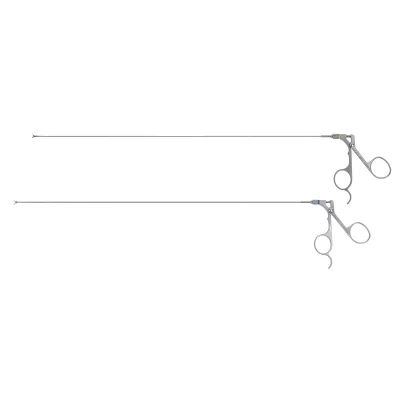


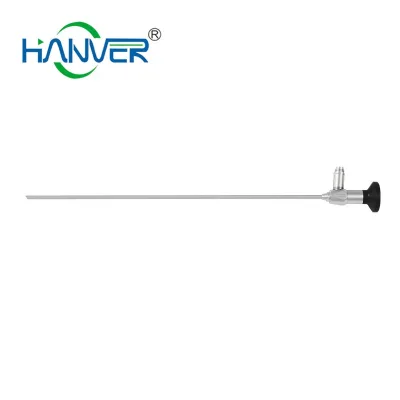

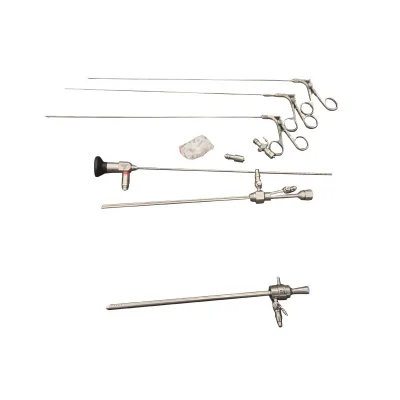
Comprehensive Sourcing Guide
Long and Short Cervix Hysteroscopy Forceps Sourcing Guide
Procuring long and short cervix hysteroscopy forceps requires a precise understanding of the specific anatomical access points and the mechanical variations necessary for effective endoscopic surgery. These instruments are critical for obtaining tissue samples during diagnostic and therapeutic procedures, where the length of the shaft directly correlates with the depth of the cervical canal and the specific surgical approach required. Buyers must distinguish between standard and extended-length models to ensure the tool can reach the target tissue without causing trauma or failing to engage the biopsy site effectively.
The market for these devices is characterized by a mix of reusable and disposable options, each presenting distinct logistical and clinical considerations. While some listings indicate reusable stainless steel instruments designed for sterilization cycles, others highlight sterile, single-use variants to mitigate cross-contamination risks. Understanding the intended frequency of use and the facility's sterilization capabilities is essential before selecting a supplier, as the choice between reusable and disposable models significantly impacts long-term operational costs and infection control protocols.
Product Scope and Observed Listing Signals
The observed product listings reveal a diverse range of specifications, including models with varying shaft diameters and lengths such as 2mm*400mm or specific dimensions like 21cm, 23cm, and 26cm. These variations are not merely cosmetic but are engineered to accommodate different patient anatomies and surgical requirements, ranging from standard gynecological examinations to more complex hysteroscopic surgeries. Buyers should carefully cross-reference the listed dimensions with their specific procedural needs, as a mismatch in length or diameter can render the instrument ineffective for deep cervical biopsies or delicate tissue sampling.
Listing signals also indicate that these instruments are often categorized under broader imaging diagnostic equipment or specific surgical instrument classifications, such as Class II medical devices. The product names frequently appear as "Disposable Sterile Cervical Biopsy Forceps" or "Hysteroscopic Scissor," suggesting that the market includes both forceps and cutting instruments designed for similar endoscopic applications. Procurement teams must verify whether the specific listing includes the full set components, such as forceps and scissors, or if they are purchasing individual units, as the completeness of the set affects the immediate usability of the equipment in a clinical setting.
Technical Specifications to Verify
When evaluating technical specifications, the material composition is a primary verification point, with stainless steel and steel being the most commonly cited materials in the supply data. The structural integrity of the forceps depends heavily on the grade of steel used, which must withstand repeated sterilization cycles without corroding or losing its cutting edge. Buyers should request detailed material certificates to confirm that the steel meets the necessary biocompatibility and durability standards required for repeated use in a sterile surgical environment.
The physical dimensions and standard configurations, such as the 4.5Fr, 5Fr, and 6Fr standards or specific model numbers like S602 and HG2101.1, must be matched precisely to the hysteroscope being used in the operating room. These specifications dictate the compatibility of the forceps with the endoscopic channel and the overall maneuverability within the uterine cavity. It is critical to verify that the selected model number corresponds to the correct working length and diameter, ensuring that the instrument can be inserted and manipulated without obstruction or excessive friction during the procedure.
Compliance and Safety Documentation
Regulatory compliance is a non-negotiable aspect of sourcing medical instruments, with listings frequently citing certifications such as CE, FDA, and ISO standards. These certifications indicate that the manufacturer has met specific safety and quality benchmarks required for market entry in various regions, including the European Union and the United States. Procurement officers must verify the validity of these certifications for the specific model being purchased, as regulatory status can vary between different product lines and manufacturing batches.
The classification of these devices as Class II medical instruments or Type 2 regulatory types further underscores the need for rigorous documentation review. This classification implies a moderate to high risk profile, necessitating strict adherence to quality management systems and post-market surveillance requirements. Buyers should ensure that the supplier provides comprehensive documentation, including the Certificate of Conformity and detailed user manuals, to facilitate regulatory audits and ensure that the equipment can be legally and safely deployed in clinical facilities.
Cost Drivers and Commercial Terms
The pricing landscape for these instruments is highly variable, with observed ranges spanning from $9 to $10,000, reflecting differences in material quality, brand reputation, and the inclusion of additional accessories. The wide disparity in cost often correlates with whether the product is a single disposable unit or part of a comprehensive, reusable set that includes forceps, scissors, and specialized packaging. Buyers must analyze the total cost of ownership, considering not just the unit price but also the lifespan of reusable instruments and the recurring costs associated with disposable alternatives.
Commercial terms such as Minimum Order Quantity (MOQ) and supply ability are also significant factors in the procurement decision. While some suppliers offer an MOQ of just one piece, others may have higher thresholds or specific supply capabilities, such as 3000 pieces per month. Understanding these terms is vital for inventory planning, especially for facilities that require a steady supply of critical surgical tools. Additionally, the availability of OEM services and the flexibility of packaging options, such as sponge boxes or standard export packing, can influence the final cost and logistical efficiency of the order.
Supplier Qualification and Quality Control
Supplier qualification extends beyond basic certification checks to include an assessment of their manufacturing capabilities and quality control processes. The presence of OEM services and the ability to customize products suggest a level of flexibility and technical competence that is valuable for specialized procurement needs. Buyers should investigate the supplier's track record in producing high-quality standard instruments and their adherence to international quality standards to ensure consistent product performance.
Quality control measures, such as the provision of return and replacement services and the assurance of a three-year shelf life, are critical indicators of a supplier's confidence in their product. These policies demonstrate a commitment to customer satisfaction and product reliability, reducing the risk of procuring defective or substandard instruments. Procurement teams should verify the specific terms of these after-sale services and ensure that the supplier has a robust mechanism for handling quality issues, including clear protocols for product recalls or replacements.
Long-Term Procurement Checks
Establishing a long-term procurement strategy involves regular audits of supplier performance and product consistency over time. Given the critical nature of hysteroscopy forceps in surgical procedures, it is essential to monitor the durability and performance of the instruments across multiple usage cycles. Buyers should implement a feedback loop with clinical staff to track any issues related to instrument failure, corrosion, or difficulty in use, ensuring that the procurement decisions remain aligned with clinical requirements.
Continuous verification of regulatory status and supply chain stability is also necessary to mitigate risks associated with product discontinuation or regulatory changes. As medical device regulations evolve, suppliers must maintain their compliance status, and buyers should stay informed about any updates that might affect the legality or safety of the instruments in their inventory. By maintaining a proactive approach to supplier management and product monitoring, organizations can ensure a reliable supply of high-quality hysteroscopy forceps for their surgical teams.
FAQs
What is the standard size range for these hysteroscopic instruments?
The standard size range includes 21cm, 23cm, and 26cm lengths. These dimensions accommodate various procedural needs for cervical and uterine access. The instruments are designed for manual operation and feature stainless steel construction for durability. This range ensures versatility for different anatomical requirements during gynecological surgeries.
Can these instruments be customized for specific surgical requirements?
Yes, customization is available for these hysteroscopic instruments. Buyers can request specific modifications to meet unique surgical protocols. The supplier accepts OEM services to tailor the products according to client specifications. This flexibility allows for precise adaptation to different clinical environments and procedural standards.
What certifications do these medical devices hold?
These devices hold CE and FDA certifications, ensuring compliance with international safety standards. The manufacturer also maintains ISO certification for quality management. These credentials verify that the instruments meet rigorous regulatory requirements for medical use. Buyers can rely on these certifications for procurement in regulated markets.
What is the minimum order quantity for these products?
The minimum order quantity is one piece. This low MOQ allows buyers to test product quality before committing to larger orders. It facilitates easy procurement for small clinics or individual practitioners. The flexible ordering policy supports diverse purchasing needs without significant initial investment.
How are these instruments packaged for shipping?
The instruments are packaged in standard export packing, often including sponge boxes for protection. Some items may use poly bags and cartons for secure transport. This packaging ensures the instruments arrive in pristine condition. The standard package design prioritizes safety and hygiene during international shipping logistics.
What is the supply capacity for these hysteroscopic tools?
The supply capacity is 3000 pieces per month. This production volume supports consistent supply for regular orders. It ensures that buyers can rely on steady availability for their surgical needs. The manufacturer maintains this capacity to meet ongoing demand in the medical device market.